Supply Chain

Matthieu
The OCR showdown: our verdict

This article explores OCR (Optical Character Recognition), a technology for extracting data from images. We are comparing tools such as Google Cloud Vision, Amazon Textract, and Tesseract. Cloud solutions dominate; while Tesseract is free, it can be less effective for handwritten text or low-quality documents.
Optical Character Recognition (OCR) technologies are methods for extracting data from unstructured image-based documents. They are part of the broad family of computer vision algorithms and are all around us in our daily lives. For example, OCR enables the visual identification of credit cards, bank checks, invoices, and expense reports.
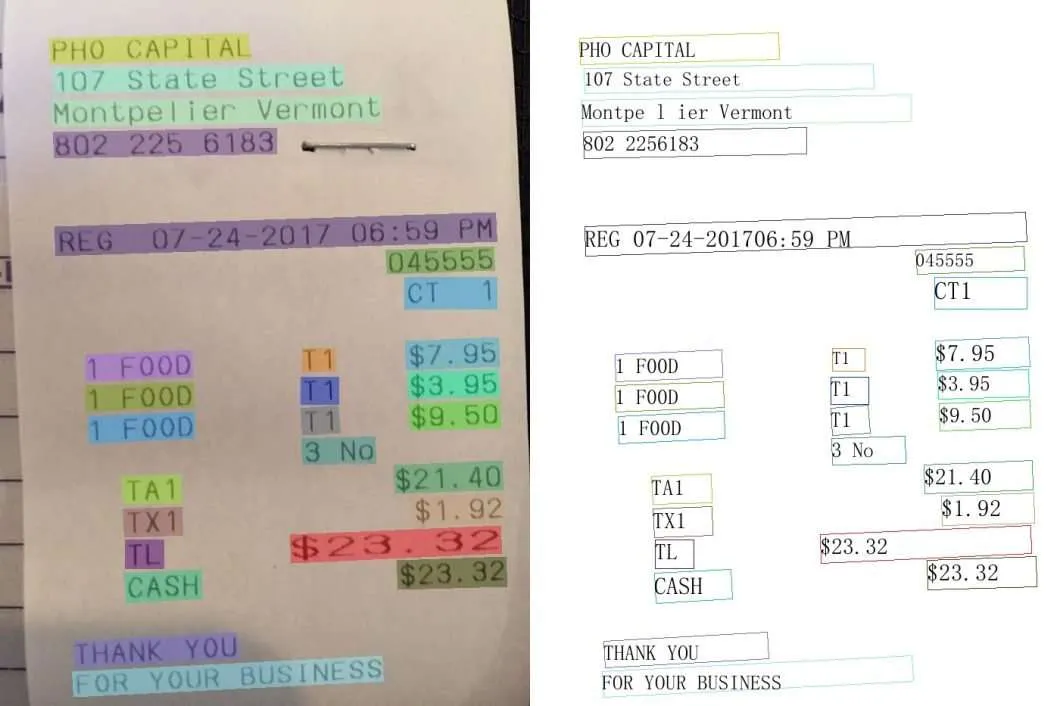
OCR tools have become highly efficient, offering significant time savings and improved quality. As a result, their use is growing across all economic sectors.
In this article, we provide a comparison of three OCR tools that we have tested during our projects at Aqsone:
Optical Character Recognition is not a new subject, with the first applications appearing as early as the beginning of the 20th century. Early OCR use cases aimed to detect Morse code, Braille, or typewritten characters.
Over the years, and with the advent of the first CPUs, larger-scale projects emerged in fields such as postal services, customs, and the military.
In 2005, Hewlett Packard and the University of Nevada released the open-source OCR engine Tesseract , thereby expanding the use of these technologies.
In 2013, the MNIST database was published, containing 60,000 images of handwritten digits in black and white. It is a dataset widely used in machine learning for computer vision tasks.
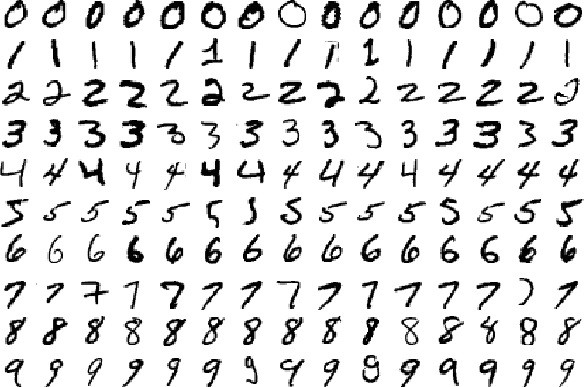
Finally, recent years have seen the emergence of cloud-based OCR models such as Google Cloud Vision or Amazon Textract.

The current state of the art is primarily composed of:
Unless you want a 100% free solution, cloud providers are likely the current market leaders.
The table below summarizes the comparison of the different OCR solutions. The criteria we highlight are based on the business use cases we have encountered and have generally been decisive in selecting one OCR solution over another.
Use cases:
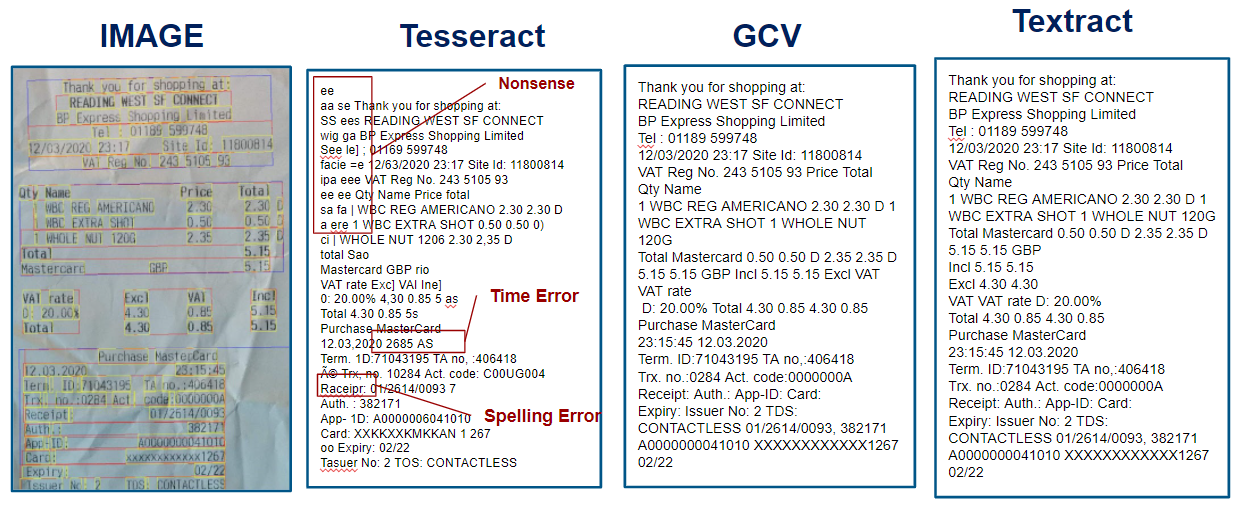
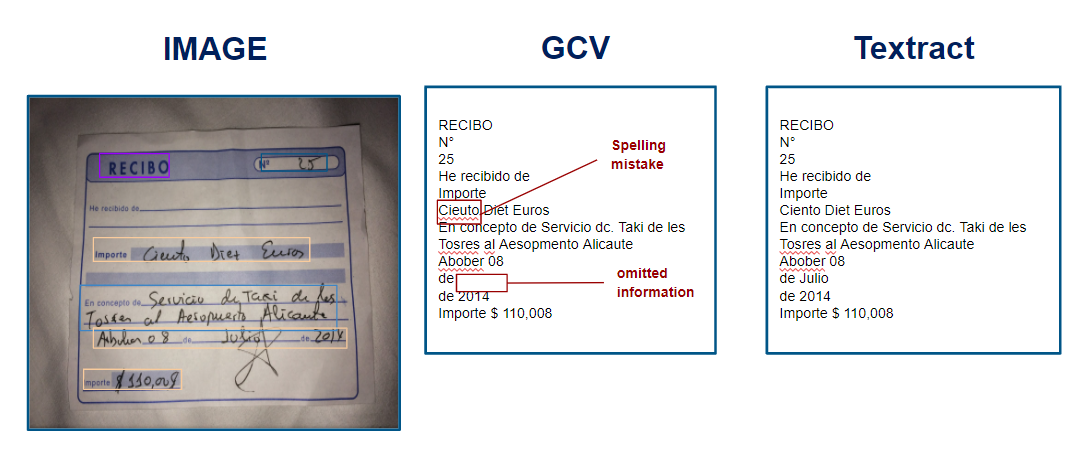
In conclusion, Amazon Textract and Google Cloud Vision are two solutions that offer very similar capabilities and performance. Their pricing is also very close, as you should expect to pay $1.50 per 1,000 units to use the basic OCR functionality, subject to discounts for high volumes.
Google Cloud Vision will be particularly easy to use for GCP users and also has the advantage of being able to integrate with other Google Cloud services. However, its configuration can be complex for those new to the platform. Amazon Textract provides a drag-and-drop interface that makes it even easier to use.
In terms of performance, GCV seems more effective than Textract for handwritten text detection. However, GCV falls short on table extraction, as the text is detected as standard text rather than in a table format.
Tesseract has the advantage of being free and requiring no special configuration. It is easy to use, either via the command line or the Python library pytesseract.
Regarding performance, Tesseract is effective with high-resolution data. Its performance drops with low-quality data or handwritten text. Table extraction is possible but can be complex to implement and is also highly sensitive to document quality.
It remains an interesting solution due to its accessibility and effectiveness with certain specific data formats.
Lorem ipsum dolor sit amet consectetur. Ipsum penatibus viverra feugiat amet varius pharetra porta risus lectus. Turpis enim massa non tincidunt in faucibus.