Anticipating extreme weather risks to secure space launches
Advanced AI models to predict extreme winds, improve launch decision reliability, and secure critical space operations.
Contexte
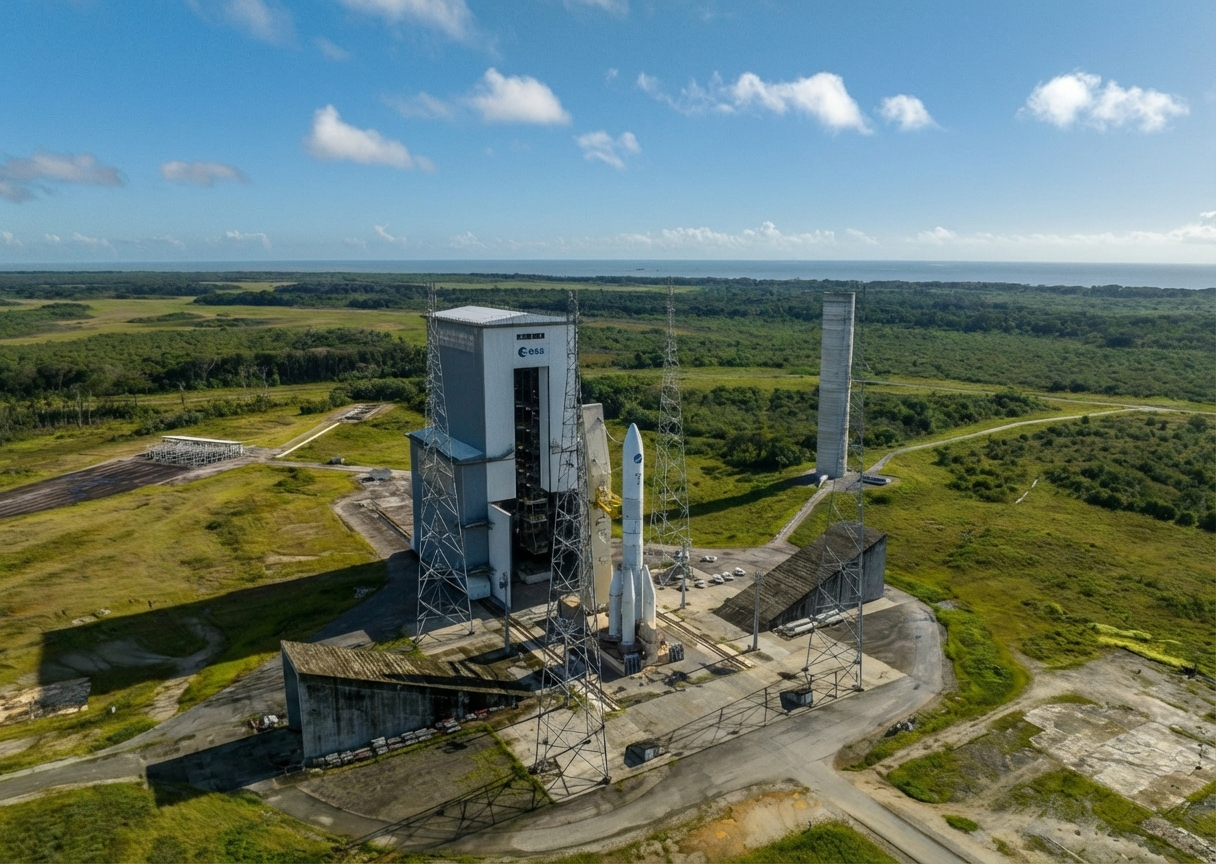
Extreme wind is a major risk factor for rocket launches. For the CNES, better characterizing and anticipating these rare phenomena is critical to ensuring the safety of flights and ground operations. However, current methods face significant challenges: the quality of in-situ data, the lack of sufficient historical data volume at certain sites, and the difficulty of transposing models from one geographic location to another.
Solution
We have developed an AI solution deployed on the CNES Data Lake to improve the reliability of meteorological studies. By using Machine Learning, clustering , and anomaly detection algorithms, our model ensures the integrity of acquired data, characterizes wind patterns, and identifies early signals. This approach makes it possible to predict daily maximum wind speeds, even for new sites with little or no instrumentation.
Bénéfices
- Better characterization of extreme events, allowing for precise anticipation of risks for launch vehicles
- Operational time savings through the automation of raw weather data processing
- Scalability to new geographic sites thanks to the robustness of our forecasting models

"The main challenge lay in the scarcity and inconsistency of data related to extreme weather events. By using advanced clustering techniques, we were able to isolate critical wind patterns and their weak signals. This solution provides the CNES with unprecedented visibility to anticipate weather risks at the launch pad."
Master environmental risks with AI
Optimize your critical weather forecasts using Machine Learning.

Autres cas clients